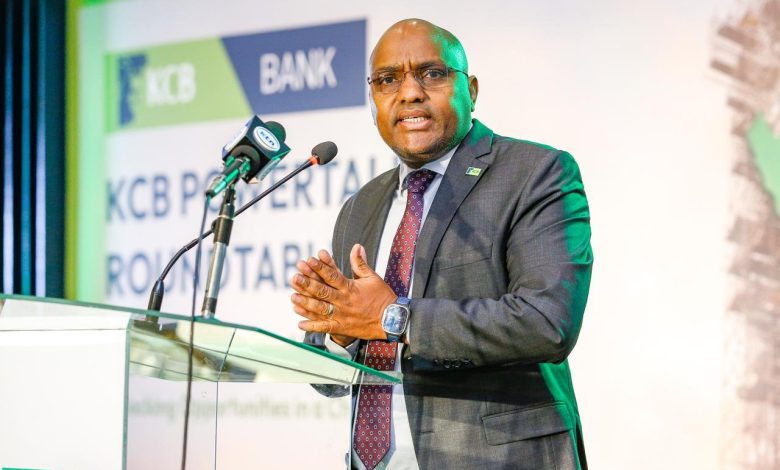
KCB Investment Bank is supporting a transaction to transition Rwanda’s public transport system to electric mobility, as the country works to expand the use of electric buses and develop the infrastructure needed to operate them.
Maurice Opiyo, managing director of KCB Investment Bank, announced the initiative during the KCB PowerTalk Roundtable Series. He said the transaction was expected to close by the end of the year or in January 2027.
Opiyo said the transition would require coordinated investment in charging infrastructure, electricity supply and economies of scale. Drawing on the bank’s experience with the Rwandan transaction, he argued that operators would need to approach electrification collectively to develop solutions capable of supporting larger fleets. His comments place financing and infrastructure at the centre of efforts to expand electric public transport across East Africa.
KCB supports Rwanda’s electric public transport transaction
The transaction places KCB Investment Bank in a financing and advisory context that extends beyond Kenya’s domestic electric mobility market. Public transport electrification involves several connected investments, from acquiring vehicles and installing chargers to upgrading depots and securing reliable electricity connections. Coordinating these requirements can help transport operators plan fleet deployment around the infrastructure available to them.
Opiyo said Kenya could learn from the approach being developed in Rwanda, where the bank is supporting the transaction. His remarks also highlighted the need for transport operators, financial institutions and other sector participants to work together on solutions that can accommodate larger-scale adoption. The outcome could offer a useful example of how financial services can support the transition from individual electric vehicle deployments to coordinated public transport systems.
Rwanda’s electric bus market is already developing
Rwanda has been building its electric bus market through private-sector operators, vehicle delivery plans and charging infrastructure. BasiGo entered the market through a partnership with AC Mobility, with plans announced in July 2023 to supply electric buses to local operators. Its model combined vehicle financing with battery leasing, charging and maintenance services, allowing operators to spread costs across the life of their vehicles.
In March 2025, BasiGo announced plans to deploy 28 additional electric buses in Rwanda and outlined a target of 100 buses in the country during that year. The company also described plans for a charging and service depot at Rwandex, designed to support overnight charging for its fleet. These plans illustrate how fleet growth depends on investment in the facilities that keep vehicles operating throughout the day.
By May 2026, BasiGo reported that 34 of its vehicles were operating in Rwanda, alongside 102 in Kenya. The company also reported more than 1,200 reservations across the two markets, illustrating the gap between demand commitments and vehicles already in service. These figures provide a dated snapshot of BasiGo’s operations rather than a count of every electric bus operating in Rwanda.
The KCB-backed transaction comes against this backdrop of existing deployments and expansion plans. Its significance for Rwanda will depend on how it supports the development of fleets and infrastructure, including the ability of operators to acquire vehicles and run them reliably across their routes.
Financing and charging infrastructure will shape expansion
Opiyo identified charging infrastructure as one of the main requirements for electric mobility, alongside investment in electricity supply. A bus operator must consider the cost of the vehicle alongside depot facilities, chargers, maintenance and the electricity connection required to run the fleet. These costs can make large deployments difficult when operators invest separately or cannot secure financing suited to the operating life of their vehicles.
Electric buses also place different demands on charging facilities depending on their routes and schedules. Vehicles returning to a depot overnight may use a different charging arrangement from those operating longer intercity journeys, while a depot serving many buses requires sufficient connection capacity to charge them within the available window. Planning these requirements alongside fleet procurement can reduce the risk of vehicles arriving before the supporting infrastructure is ready.
Kenya’s experience offers a regional example of how financiers are approaching these costs. In August 2026, NCBA and BasiGo were reported to be supporting electric vehicle acquisition through financing arrangements for eligible transport operators, including SACCOs and companies. Such models can lower the upfront capital an operator needs, although the financing terms and infrastructure requirements depend on the programme and the vehicles involved.
Opiyo also argued that economies of scale would be essential, encouraging operators to work collectively rather than pursue electrification individually. Shared charging facilities, coordinated procurement and larger fleet commitments can spread infrastructure costs across more vehicles and give financiers a clearer basis for evaluating demand. For Rwanda, the practical challenge is to align the pace of fleet deployment with investment in the facilities needed to keep the vehicles in service.
Kenya’s experience offers lessons for regional electric mobility
Kenya has been developing its own electric mobility ecosystem through local assembly, charging networks and financing products. In April 2026, BasiGo reported progress on electric van assembly in partnership with Associated Vehicle Assemblers, adding a manufacturing dimension to the region’s developing EV market. Such investments could help build regional expertise in vehicle production and servicing, although their direct contribution to Rwanda’s vehicle supply will depend on future commercial arrangements.
Electricity infrastructure is another area where Kenya’s experience provides useful context. Kenya Power has reported rising electricity consumption by electric vehicles, reflecting the growing demand from charging and battery-swapping operations. For both countries, the relevant task is to match charging demand with the capacity of local distribution networks, rather than treating national electricity supply as the only measure of readiness.
Opiyo referred to a planned initiative intended to support electric vehicle manufacturing locally, which he said could help reduce costs. The development could be relevant to the wider East African market if it expands access to vehicles or supporting technology, particularly as operators seek ways to reduce acquisition and operating expenses.
For Rwanda, the immediate priority is to connect investment in vehicles with the financing, charging infrastructure and operating arrangements needed to serve passengers reliably. The KCB Investment Bank transaction provides a new development to watch as the country builds on its existing electric bus deployments and works towards a broader transition in public transport.
Go to TECHTRENDSKE.co.ke for more tech and business news from the African continent and across the world.
Follow us on WhatsApp, Telegram, Twitter, and Facebook, or subscribe to our weekly newsletter to ensure you don’t miss out on any future updates. Send tips to info@techtrendsmedia.co.ke

